
You may know how a place is performing
But do you know what it’s becoming?
See the system. Understand its direction. Shape what happens next…
Place-based regeneration. From buildings to neighbourhoods.
Civic Collective helps councils, developers, universities and other civic institutions get more from the places they shape.
We help places work better by unlocking the value that’s already there, so people can shape their own futures.
A council trying to bring life back to a struggling activity centre.
A developer trying to build support and reduce friction around a major development.
A university sitting on buildings, knowledge and facilities that aren't reaching their potential.
A property owner struggling with an underused or vacant building.
A community trying to shape the future of the place it calls home.
Different systems. Same challenge - how do you unlock what’s already there?
Why shared places are hard to navigate
It’s hard to see the whole system shaping a place.
Organisations and places accumulate knowledge, relationships, trust, capability and assets over time.
Much of that intelligence sits across different people, places and systems. During periods of change, priorities shift, relationships change and knowledge can become fragmented. Different people begin to see different parts of the picture.
The challenge isn't always a lack of information. It's seeing how it fits together.
What’s really happening?
When we only see the parts, we can miss what is happening to the system as a whole.
A strategy can be on track. KPIs can be green. Projects can be delivered.
Yet relationships may be weakening, knowledge may be disappearing, opportunities may be getting harder to see or the conditions shaping the place may be changing.
You may know how something is performing. The harder question is understanding what it's becoming.
What have we discovered?
Our approach was built through real organisations, real places and real challenges.
Explore four examples of what happened, what we learned and how that learning continues to shape our practice.
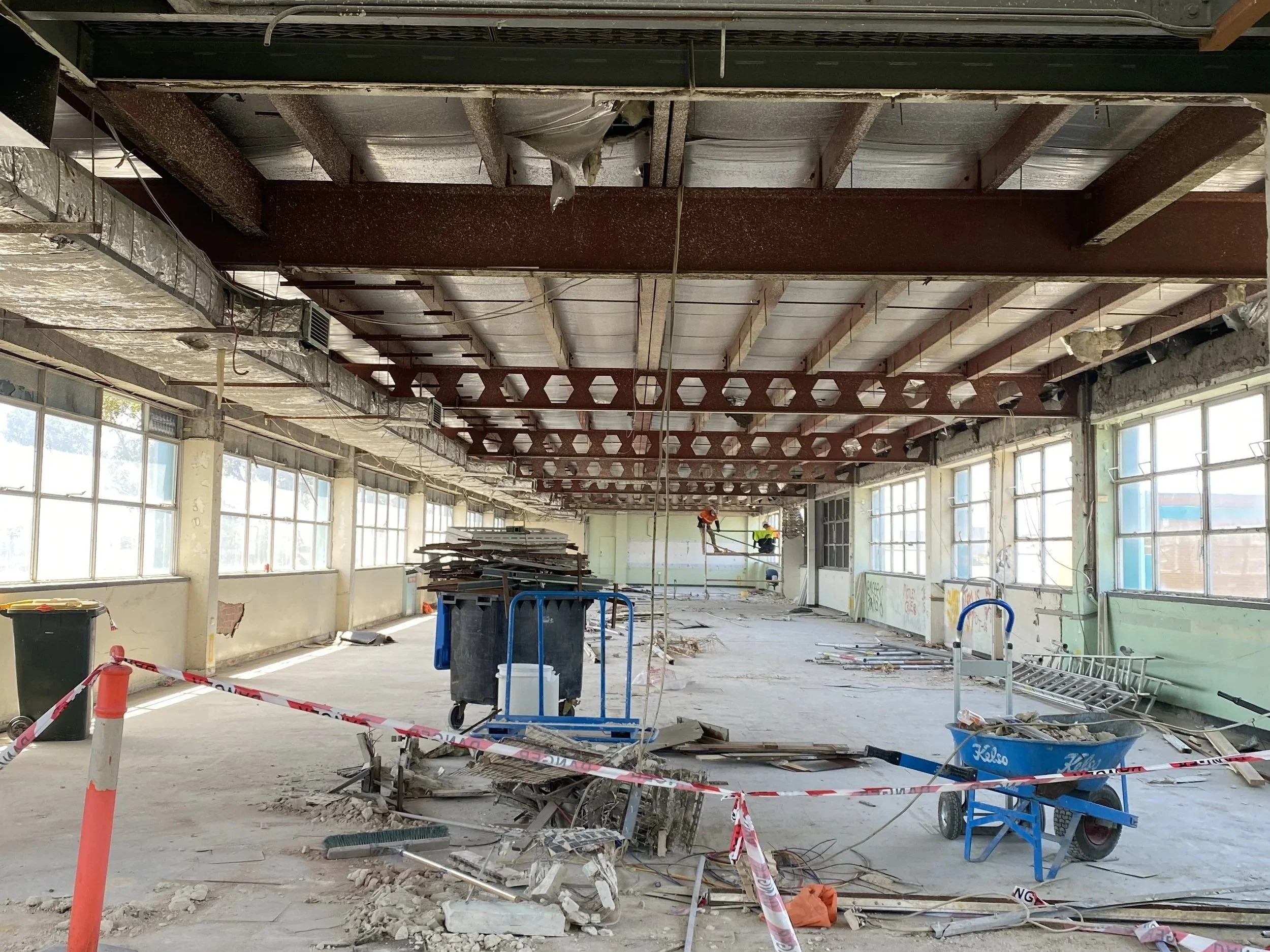
Unlocking Civic Assets
How can an old high school building become an innovation precinct supporting 200 jobs?
Brunswick Design & Innovation Centre. Explore the Learning Ledger 001
Insight
Reducing the cost of experimentation helped turn an underused civic asset into a platform for enterprise, investment and collaboration.
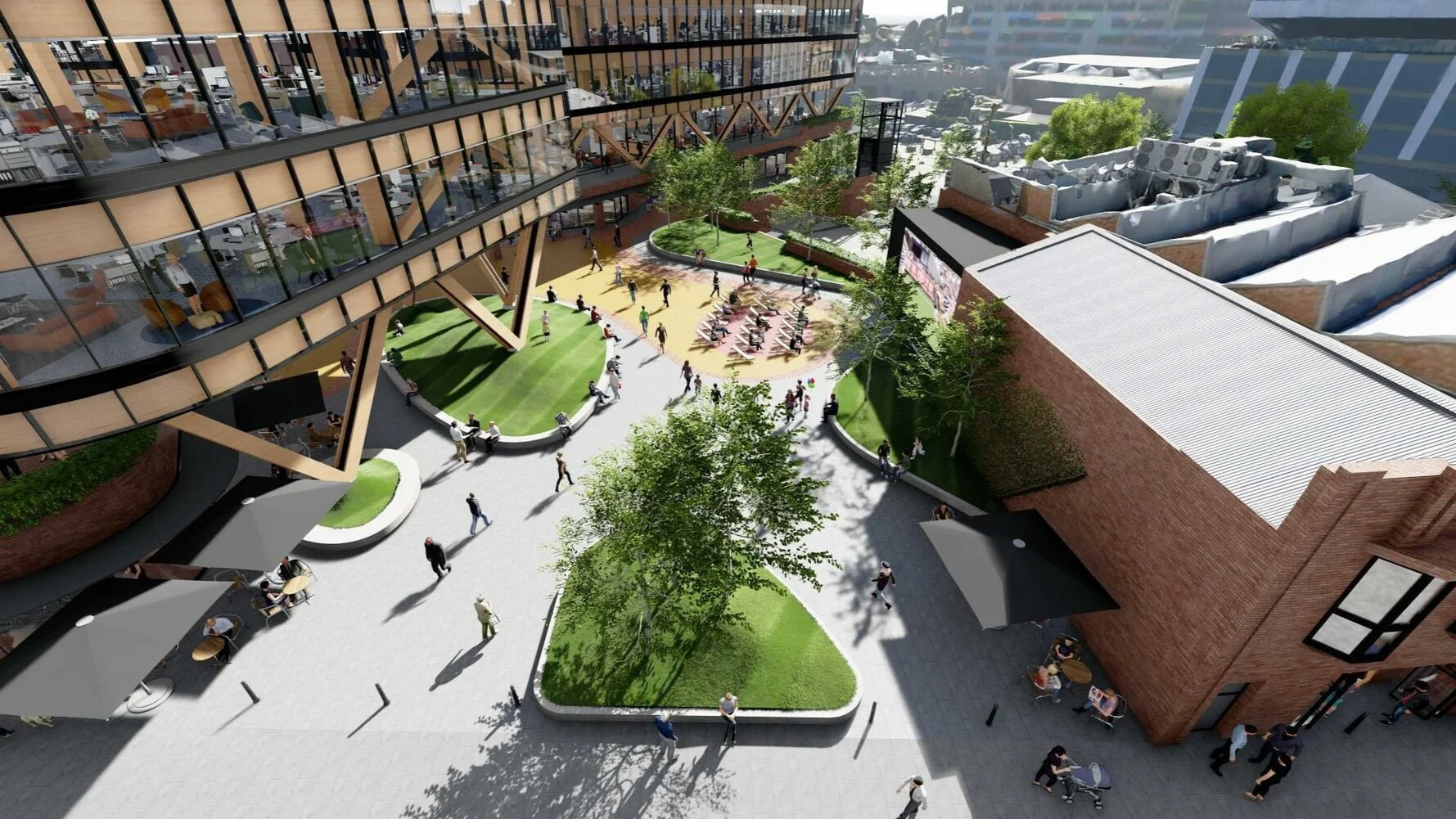
Unlocking Civic Purpose
How do you create a $100M development communities want to support?
Geelong Civic Precinct. Explore the Learning Ledger 002
Insight
Major development projects become stronger when public purpose and private ambition can reinforce one another.
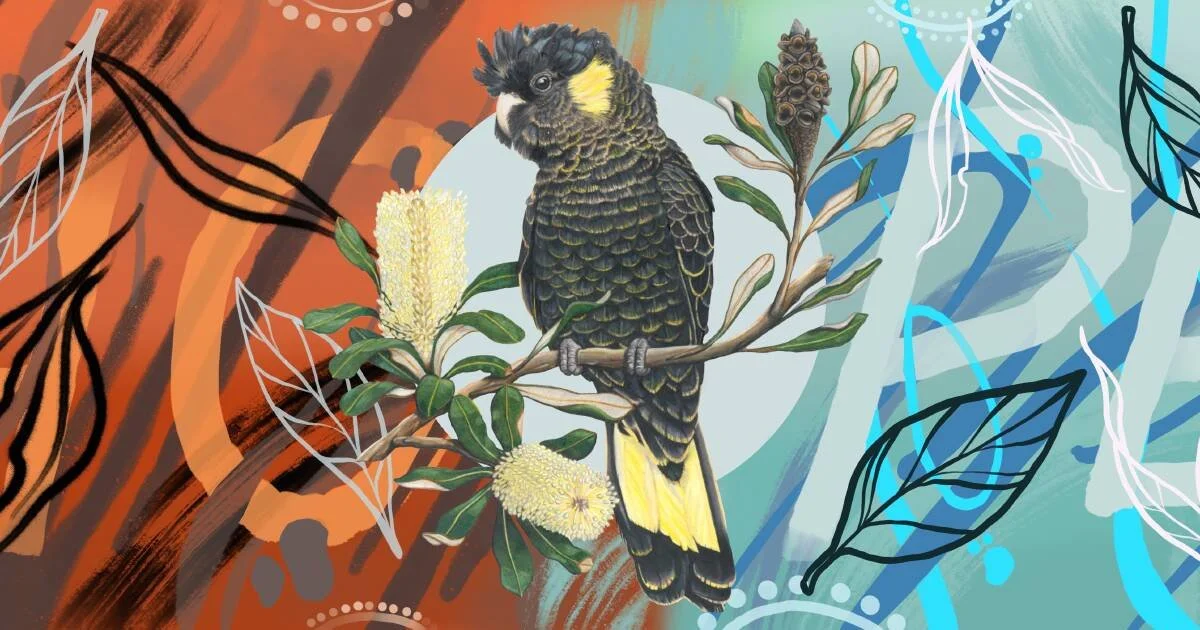
Unlocking Community Identity
How can public art engage over 10,000 people and strengthen community identity?
Community-led public art Canberra. Explore the Learning Ledger 003
Insight
Communities become more connected when they help shape the stories places tell.
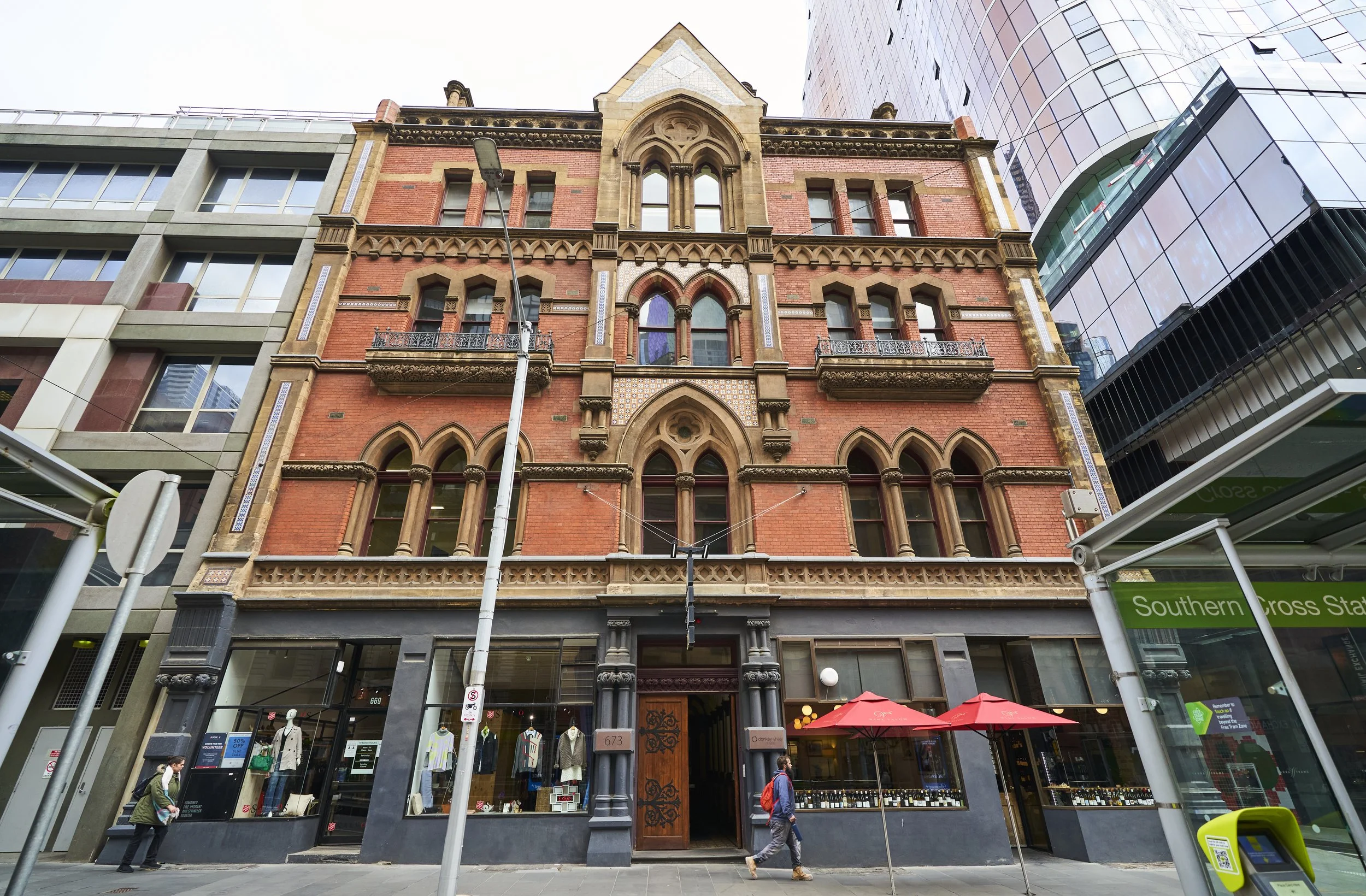
Unlocking Our Own Capacity
How can stepping away from success become the beginning of something bigger?
Donkey Wheel House. Explore the Learning Ledger 000
Insight
Sometimes the capability to scale what you've learned emerges when you move away from the thing that taught you.
What do we mean by regeneration?
Regeneration is the collective engineering of a cohesive system that enables value to flow and creates the right conditions for people to shape their own futures.
What can we do differently?
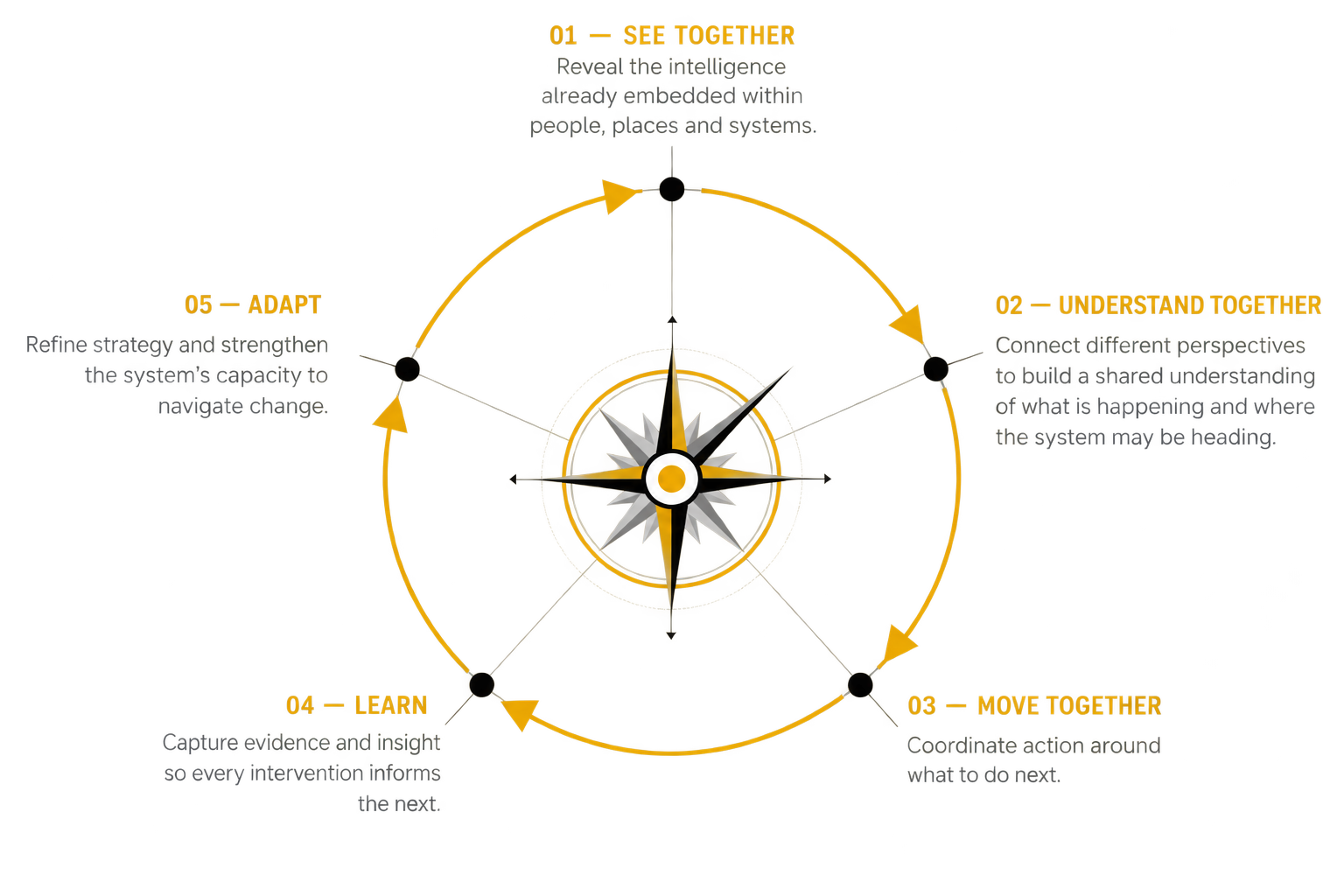
You can't navigate a system you can't see.
Civic Collective helps leaders see what is happening across their system, make sense of it together and turn that understanding into coordinated action.
We call this the Civic Intelligence.
The Civic Intelligence Cycle creates a practical rhythm for doing it and each cycle builds a clearer picture of the system and strengthens your ability to decide what to do next.
The Civic Intelligence Cycle is the practical process we use to help organisations navigate change in the shared places and systems they're part of. Each stage builds a clearer understanding of what is happening, what it means and what to do next.
Civic Intelligence in Practice
1. See Together
Make visible the knowledge, relationships, capabilities, assets and lived experience embedded across people, places and systems.
Translate fragmented intelligence into something visible.
2. Understand Together
Connect different perspectives to build a shared understanding of what is happening, why it is happening and where the system may be heading.
Translate visible intelligence into meaning.
3. Move Together
Coordinate decision-makers, communities, partners and investors around what needs to happen next.
Translate meaning into coordinated action.
4. Learn
Reflect and capture what happened
Capture evidence, unexpected outcomes and practical insight so every intervention informs the next.
Translate action into learning
5. Adapt
Improve the next cycle.
Feed what has been learned back into the collective intelligence available to people as they decide what happens next.
Translate learning into adaptive capability
Every cycle compounds Civic Intelligence…strengthening your ability to navigate the next change without us.
Where do we start?
Every organisation's journey is different, but every successful change begins with building trust and a shared understanding of where you are today.
We practise Civic Intelligence through the Civic Intelligence Cycle. Every engagement follows the same disciplined process while adapting to the unique context of each organisation, place and project.
1. Conversation
No commitment
Bring us your challenge.
We explore the challenge with you and share relevant thinking, examples and perspectives from our work.
What you get:
A fresh perspective on the challenge, a shared view of the opportunity and a clear recommendation on whether to proceed.
2. Civic Intelligence Review
Typically 4 weeks
See where you are and where you appear to be heading.
Using the Compass, we create a Civic Intelligence Profile that brings together the key conditions, relationships and intelligence shaping the system.
What you get:
A Civic Intelligence Profile, priorities and a recommended direction for action.
3. Project
Typically one 12-week cycle
Work together on a defined challenge.
We apply the Civic Intelligence Cycle to turn shared understanding into coordinated action, capture what happens and build learning into the next step.
What you get:
Action, evidence, learning and an updated view of the system.
4. Programme
Multiple cycles
Build capability over time.
For challenges that need sustained work, we run multiple cycles across initiatives, projects or places.
What you get:
A growing internal capability to use Civic Intelligence and navigate future change with less dependence on us.
5. Platform
Embed Civic Intelligence into how you work
The CAD Platform brings together Compass readings, Learning Ledgers, adaptive indicators and supporting tools so learning is retained and intelligence becomes more accessible over time.
What you get:
Civic Intelligence as an organisational capability.
High levels of Trust can speed up change; low levels can stop it altogether.
That’s why we measure Trust and show you how to increase it.
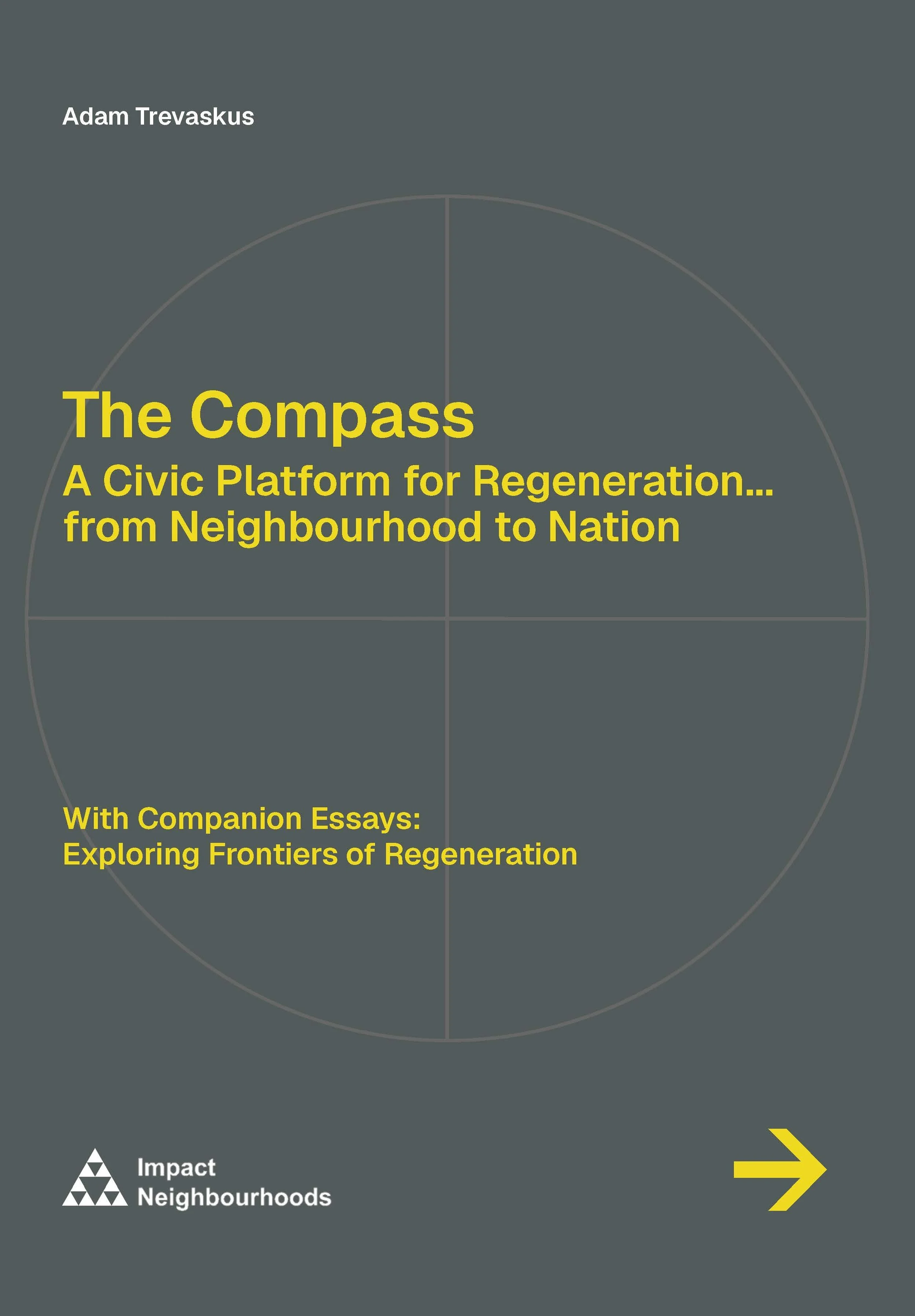
Our civic operating system is published in this book. Click to preview online.
What powers the Civic Intelligence Cycle?
Every engagement is powered by Collectively Aligned Development (CAD) the operating system behind our practice.
CAD connects the tools we use to see the system, understand its direction, retain what is learned and make that intelligence available to the people who need it.
The Compass helps reveal where things are heading. Learning Ledgers retain what is learned. Adaptive Indicators track changing conditions. The Coach and the Companion help people access the concepts and then apply that intelligence.
Each cycle adds to the intelligence available to the next.
The technology supports human judgement. It doesn't replace it.